
Travel Guide to Las Vegas – Zion National Park
We will enjoy the city that never sleeps, Las Vegas
Guía Turística Las Vegas – Zion National Park
An interactive tour guide offers an enriching and dynamic experience, combining detailed information with modern technology.
Our Iceland Travel App allows users to access maps, images, and real-time data, adapting to their preferences and pace.
Interacting with the digital platform allows you to discover historical details, anecdotes, and unique recommendations, making each tour more immersive. Furthermore, its ability to offer multimedia content enhances the understanding and enjoyment of each point of interest, without the need to follow strict schedules or rely on a physical guide.
Las Vegas Audio Guide – Zion National Park
Our self-guided audio tour offers complete flexibility and convenience to explore at your own pace. You can pause, rewind, or replay information whenever you need, allowing you to enjoy the tour without the pressure of a schedule or group. It also provides access to historical facts and interesting facts at any time of day, without depending on the availability of a guide. This makes it the ideal option for those looking for an informative and detailed experience, yet with complete freedom to explore.
What to see on the Las Vegas – Zion National Park Travel Route
St George
A small town with not much to offer other than the accommodations near Zion National Park.
Checkboard mesa
The unusual crack pattern in the sandstone hills resembles a grid much like that seen on a chessboard.
Zion National Park Toll
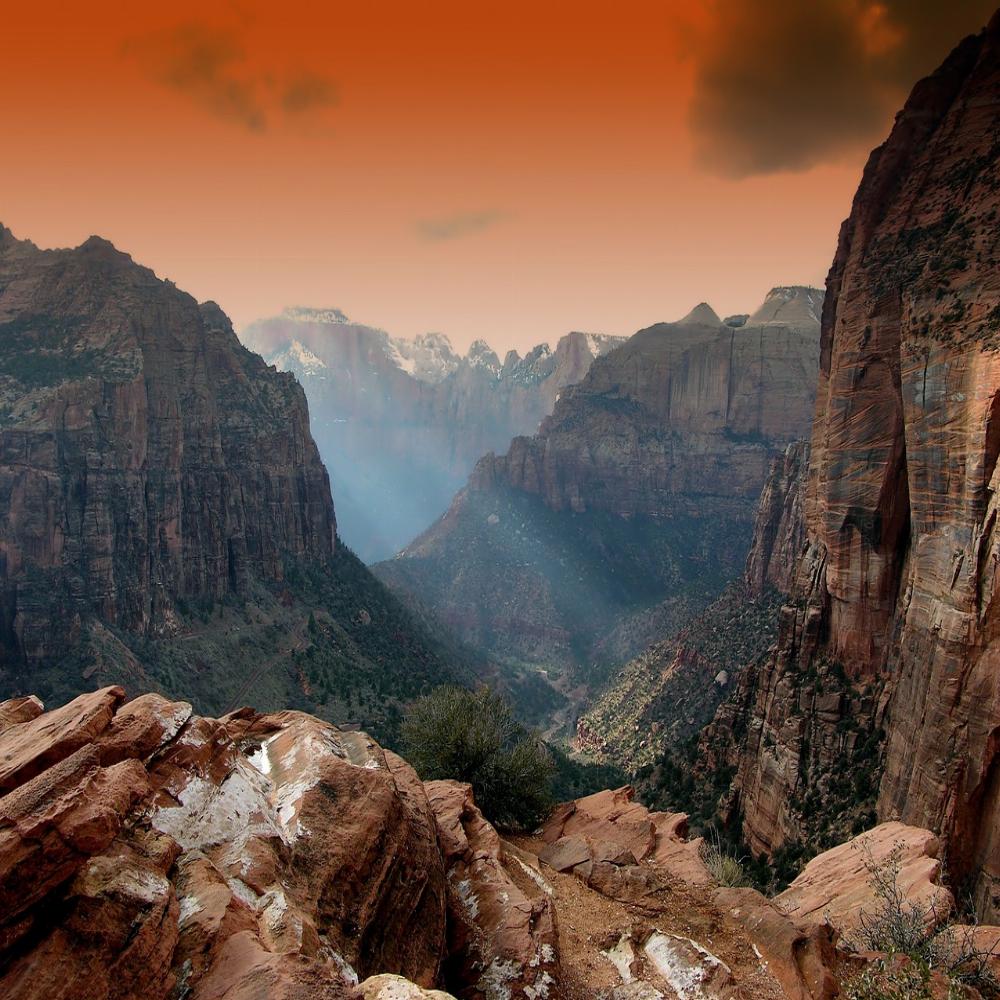
Zion National Park, located in southwestern Utah, is one of the most iconic parks in the United States and a popular destination for nature and adventure lovers. This park stands out not only for its stunning landscapes of canyons, plateaus, and cliffs, but also for the geological history that unfolds around every corner. To enter this majestic park, visitors must pay an entrance fee, commonly known as a toll, which is critical to the preservation of this natural space.
The establishment of entrance fees in national parks began in the early 20th century, when the need to fund conservation efforts in these protected areas was recognized. In the case of Zion National Park, the entrance fee not only allows visitors access to its natural wonders but also directly contributes to its conservation. Every dollar raised goes toward trail maintenance, habitat restoration, infrastructure improvements, and educational programs. These funds are essential to preserving the park’s integrity, especially in the face of increasing pressure from tourism, as Zion receives more than four million visitors annually.
One of the main reasons the entrance fee is so crucial to Zion is the need to maintain trails in optimal condition. Over time, constant visitor traffic causes soil erosion, which can impact both the visitor experience and the surrounding ecosystem. Funds from the fee allow for restoration work on the most impacted trails, such as the placement of retaining structures, replanting native vegetation, and creating detours to protect sensitive areas. These measures help ensure that visitors can enjoy the trails safely and sustainably, without harming the natural environment.
In addition to trail preservation, the toll also funds the management of invasive species, which pose a significant threat to Zion’s native flora and fauna. Invasive species can displace native species, disrupting the park’s ecological balance. The funds raised allow for the implementation of invasive species control and eradication programs, which is vital to protecting Zion’s unique biodiversity.
The toll also supports the park’s infrastructure, which includes everything from visitor centers to picnic areas and parking lots. As Zion has become a world-renowned tourist destination, the demand for services and facilities has increased exponentially. Maintaining these services in good condition is essential to providing a quality visitor experience while minimizing environmental impact. One of the most notable projects funded by the toll is the park’s shuttle bus system. This system, implemented to reduce traffic congestion, allows visitors to easily move between major points of interest without the need for private vehicles, thereby reducing greenhouse gas emissions.
Beyond the physical infrastructure, the toll also supports a number of educational programs that seek to educate visitors about the importance of conservation. These programs include informative talks, guided hikes, and workshops, focusing on Zion’s natural history, its geology, and the wildlife that inhabits the park. Park rangers, funded in part by the toll, play a crucial role in these programs, giving visitors a deeper understanding of the value of preserving this natural treasure.
An important aspect that is often overlooked is that the park entrance fee also supports other, less-visited but equally valuable national parks. The U.S. national park system is interconnected, and funds raised in one park like Zion can help fund projects in other parks that receive fewer visitors and, therefore, less revenue. This redistribution of funds is essential to ensure that all parks can continue their conservation efforts, regardless of the number of visitors they receive.
For frequent visitors to national parks, there’s the option of purchasing an annual pass, which offers unlimited access to Zion and other parks for a year. This pass is an excellent investment for those who want to explore multiple parks, and at the same time, it significantly contributes to funding the conservation of these natural spaces.
In short, the entrance fee to Zion National Park is much more than just a fee. It’s a direct contribution to the preservation of one of the most spectacular landscapes on the planet. Every visitor who pays the entrance fee is participating in the protection of Zion, helping to ensure that this national park can continue to be a refuge for wildlife and a source of inspiration for generations to come.
Zion National Park Visitor Center
The Zion National Park Visitor Center is the ideal starting point for any visitor wishing to explore the natural wonders of this park. Located near the south entrance, this center not only provides essential information about the park but also serves as an educational center where visitors can learn about Zion’s rich natural and cultural history. Over the years, the center has become an invaluable resource for both experienced hikers and those visiting Zion for the first time.
The Visitor Center’s design is in perfect harmony with the natural environment, using materials that reflect the colors and textures of the surrounding landscape. The building itself is a showcase of sustainable architecture, with features such as green roofs and solar energy systems that minimize environmental impact. This commitment to sustainability extends to all of the center’s operations, reflecting the park’s focus on conservation and environmental stewardship.
Upon entering the center, visitors are greeted by a friendly and knowledgeable staff ready to help them plan their visit. The center offers a wide variety of maps, brochures, and guides detailing trails, points of interest, and park regulations. Additionally, there are interactive exhibits that explain Zion’s unique geology, including how its canyons and mesas formed over millions of years. These exhibits also highlight the diverse wildlife that inhabits the park, from the bald eagles that soar through the skies to the tiny frogs that inhabit the streams.
One of the highlights of the Visitor Center is the exhibit on human history in Zion. Before Mormon pioneers arrived in this region in the 19th century, the land we know today as Zion was inhabited by various Indigenous cultures, including the Anasazi and Paiute peoples. These cultures left their mark on the region through petroglyphs and archaeological remains, some of which can be seen in the park. The center’s exhibits provide an in-depth look at how these early cultures lived in harmony with nature, utilizing desert resources sustainably.
In addition to the exhibits, the center also offers a number of educational programs and special events. Throughout the year, park rangers lead talks, guided hikes, and multimedia presentations that delve into topics such as wildlife conservation, Zion’s geology, and the importance of protecting national parks for future generations. These programs are not only informative but also an excellent way to enrich the visitor experience, providing a deeper understanding of what makes Zion such a special place.
Another important feature of the Visitor Center is the Ranger Station, where visitors can obtain permits for certain park activities, such as camping in remote areas or hiking in The Narrows Canyon. These permits are required to ensure the park can sustainably manage visitor numbers in sensitive areas. Rangers are also available to answer questions and offer safety advice, especially for those planning to undertake challenging hikes or venture into more challenging terrain.
The Visitor Center also features a well-stocked gift shop, where visitors can purchase souvenirs, books, maps, and hiking equipment. Proceeds from the shop are used to fund conservation projects and educational programs in the park, allowing visitors to directly support efforts to preserve Zion.
A visit to the Zion National Park Visitor Center wouldn’t be complete without a stop at the outdoor amphitheater, where presentations and film screenings about the park are held. Here, visitors can enjoy a visual introduction to Zion, with stunning images of its landscapes and wildlife, accompanied by narration exploring its history and geology. These presentations are particularly popular at sunset, when the golden light of the sun enhances the beauty of the surrounding cliffs.
Para los visitantes que deseen explorar Zion de manera más activa, el Centro de Visitantes es también el punto de partida de varias rutas de senderismo. Desde aquí, se pueden acceder fácilmente a senderos como el Pa’rus Trail, un camino pavimentado que sigue el curso del río Virgin y ofrece vistas espectaculares de los acantilados de Zion. Este sendero es accesible para sillas de ruedas y es ideal para familias con niños pequeños o para aquellos que prefieren una caminata más relajada.
The Visitor Center is also where visitors can board shuttle buses that will take them to major areas of interest in the park, such as the Zion Canyon Scenic Drive. This shuttle service, which operates from March to November, is part of the park’s efforts to reduce traffic congestion and minimize its environmental impact. By using the shuttle bus, visitors can enjoy a scenic drive without the hassle of traffic or parking, while also contributing to the preservation of Zion’s tranquility and natural beauty.
In short, the Zion National Park Visitor Center is much more than just an information point. It’s a portal to the vast and fascinating world of Zion, a place where visitors can begin their adventure armed with the knowledge and inspiration needed to explore this iconic park. Whether you’re looking to learn about the park’s geological history, plan an epic hike, or simply enjoy the views, the Visitor Center is the first step toward an unforgettable Zion experience.
The Freemont Street Experience
It is an ideal way to get to know the essence of Las Vegas and see some of its most famous neon signs, such as the Vegas Vickie at Glitter Gulch or the equally recognizable Vegas Vic.
Las Vegas
Las Vegas, often called “Sin City,” is world-renowned for its electrifying nightlife, luxurious casinos, spectacular live shows, and exceptional cuisine. However, this vibrant city offers much more than just gambling. It is a true melting pot of entertainment, luxury shopping, and rich cultural experiences, making it a diverse and exciting destination.
Founded in 1905, Las Vegas has undergone a phenomenal transformation from its humble beginnings as a railroad stop. The legalization of gambling in 1931 marked the beginning of its metamorphosis into a giant gambling center, and during the 1950s and 1960s, it solidified its position as an entertainment epicenter, attracting renowned musicians and comedians who graced its nightclubs.
To truly immerse yourself in the Las Vegas spirit, start your visit at the iconic “Welcome to Fabulous Las Vegas” sign. After capturing that essential photo, head to the city’s beating heart: the Strip. Here, a stroll will take you past some of the world’s most famous hotels and casinos, including the Bellagio, Caesars Palace, and the Venetian. Don’t miss the Bellagio fountains, whose waters dance to a diverse musical selection ranging from opera to contemporary hits.
Para capturar vistas panorámicas de la ciudad, sube al High Roller en The LINQ, la noria de observación más alta del mundo. Al caer la noche, una cena en el Paris Las Vegas bajo la réplica de la Torre Eiffel te ofrecerá vistas impresionantes del Strip iluminado.
The second day in Las Vegas can be dedicated to exploring art and shopping. Visit the Bellagio Gallery of Fine Art and the public art installations at CityCenter. For shopping lovers, the Forum Shops at Caesars and the Grand Canal Shoppes at the Venetian not only offer luxury goods but also provide a stunning architectural experience. In the evening, you can enjoy a Cirque du Soleil show, which masterfully blends art, music, and acrobatics.
For day three, venture beyond the Strip to Downtown Las Vegas and the Fremont Street Experience, a vibrant return to “Old Vegas” with its famous LED ceiling and live entertainment. Be sure to visit the Neon Museum, where restored neon signs tell the city’s history. If you prefer a change of scenery, Red Rock Canyon offers a refreshing break from the urban bustle, with opportunities for hiking and enjoying nature.
EAmong the city’s interesting facts, the Palms Casino Resort once offered a $40,000-a-night suite complete with a private basketball court, pool, and gym. Binion’s Casino is also famous for its million-dollar bill display, a popular photo opportunity for tourists.
Las Vegas is a tapestry of unforgettable experiences, where luxury meets culture and adventure meets entertainment, guaranteeing something special for every visitor.
Las Vegas Travel Guide – Zion National Park
Now, with mobile apps like Tourist Road Guides, travelers have access to predefined routes and precise recommendations in the palm of their hand. The integration of technologies such as GPS, audio guides, and multimedia content allows for a much more personalized and real-time experience. Users can obtain detailed information on specific points of interest, access historical data, and interesting facts as they navigate the destination, all without having to carry books or rely on outdated information.
This technological transformation allows travelers to explore at their own pace, better plan their journey, and receive content tailored to their interests. In short, technology has given new life to the way we travel, making each tour more dynamic and flexible thanks to platforms like Tourist Road Guides.
What Tourist Road Guides offers for your Las Vegas – Zion National Park travel guide
Tourist Road Guides is a mobile app designed to facilitate travel planning and exploration. It offers predefined routes covering the main points of interest in each destination, integrating an audio guide that provides historical details, interesting facts, and recommendations as the user explores each location. Additionally, the app includes a personalized “What to See” list, highlighting the most relevant points in each location. This structure allows travelers to organize their itinerary efficiently, ensuring they don’t miss any important aspects of the destination.

